Co-branded merchandise: approve partner logos before orders open
A release process for co-branded company-store merchandise: define partner permissions, approve product proofs, control reorders and close expired campaigns.

Fresh perspectives. Useful comparisons.
Better ways to put your brand out there.
A release process for co-branded company-store merchandise: define partner permissions, approve product proofs, control reorders and close expired campaigns.
Decide who pays when company-store prices change after gift invitations: compare funding promises, price locks, order stages and exception budgets.
Evaluate company-store audit trails with a coverage map, allowance-change example and acceptance tests for funding, artwork and campaign changes.
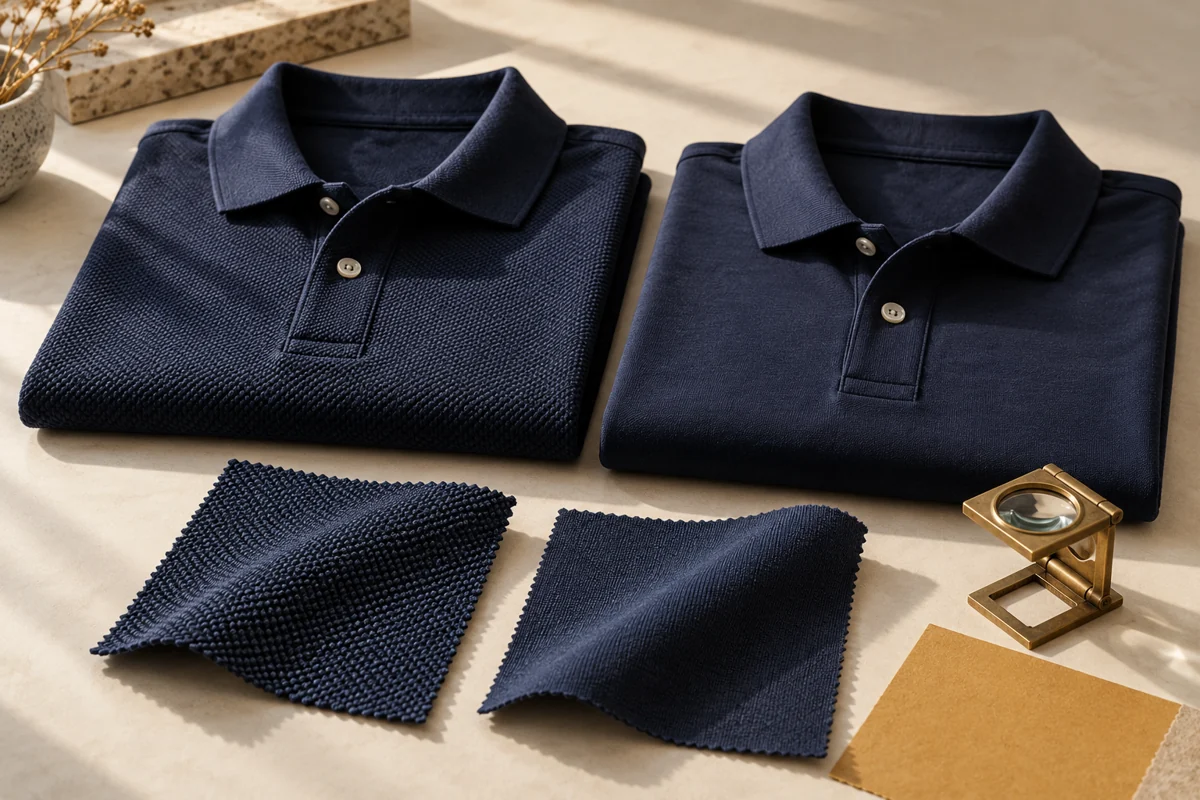
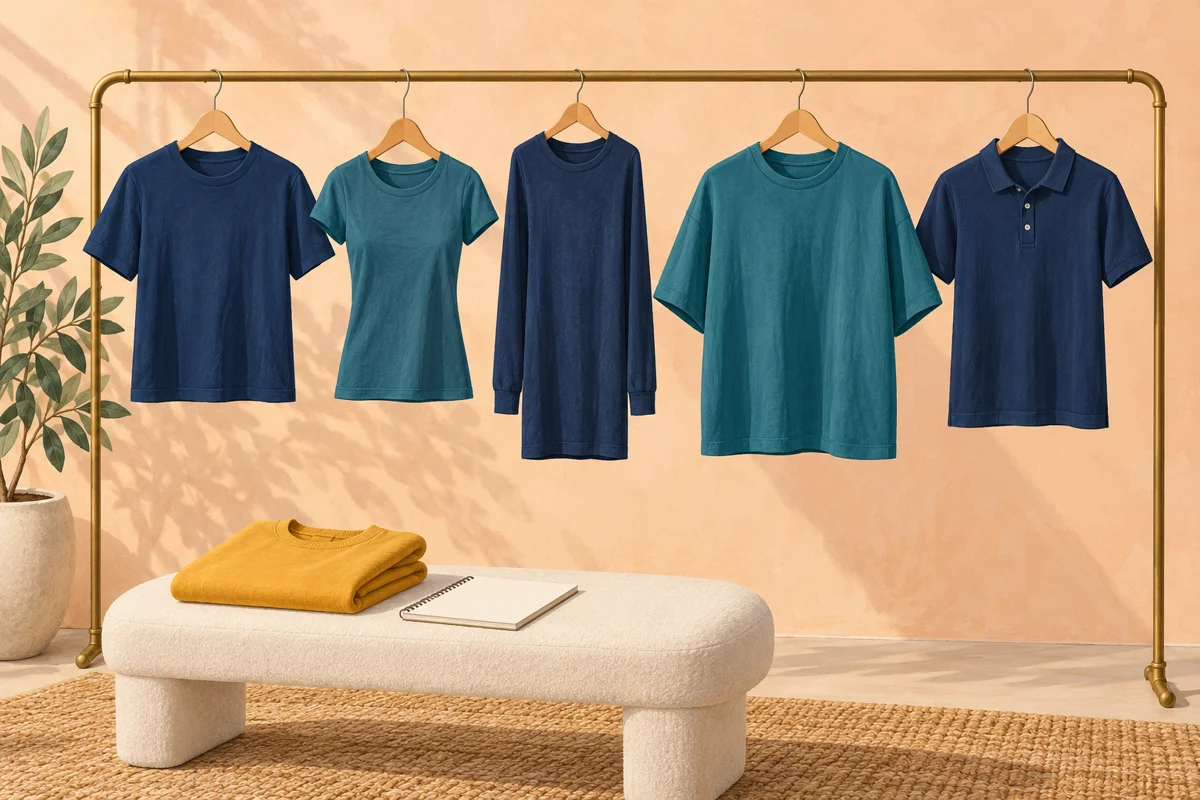
Choose piqué or jersey company polos with a texture policy, verified specification examples and clear rules for logos, employee choice and replacements.
Choose between batch order files and individual checkout, then control variant mapping, production approval and partial import failures without duplicate orders.
Compare CustomCat fulfillment with a managed company store by operating responsibility, employee funding, support and total cost—not just subscription prices.
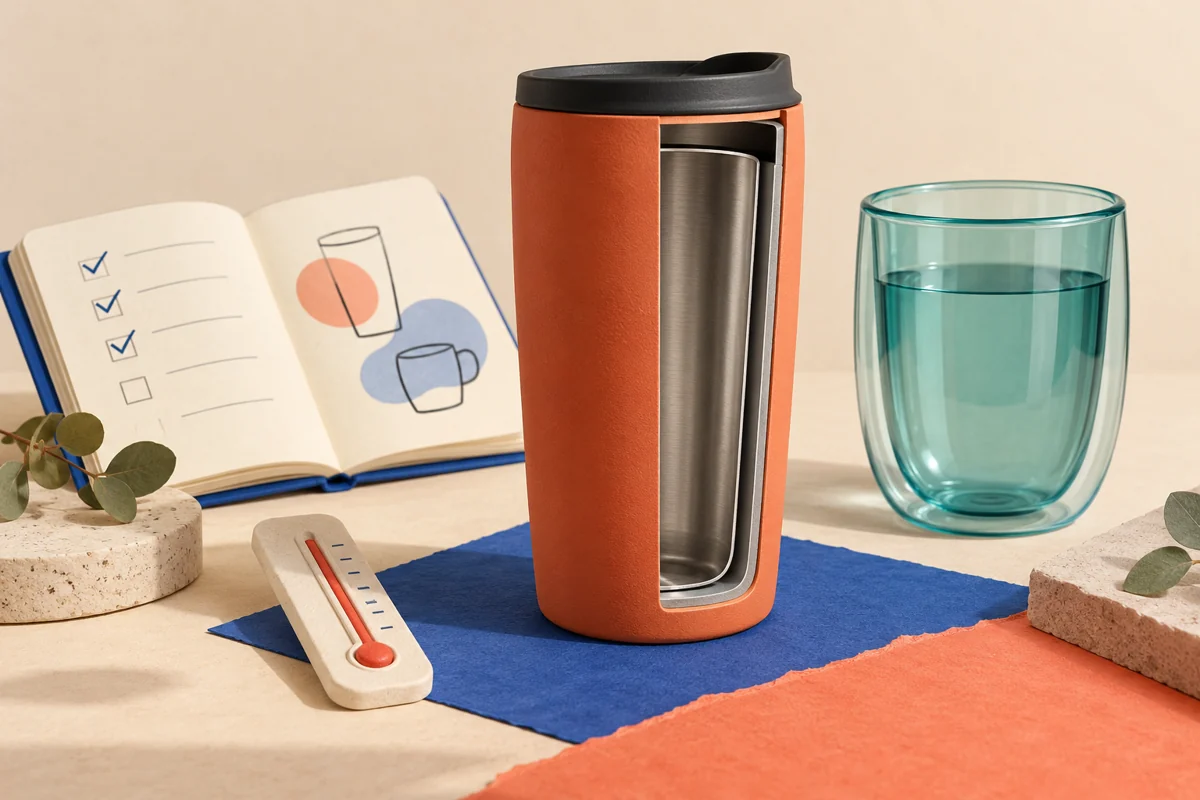
Compare insulation claims, set a real drinking-use requirement and approve the exact vessel, lid and decoration before buying employee drinkware.
Build a size-range parity audit for employee apparel gifts: verify fit, color, funding and delivery, then close gaps before inviting recipients.
Decide when employee gifts need visible branding, when subtle or no-added-logo choices fit, and how to preserve each selection through production.
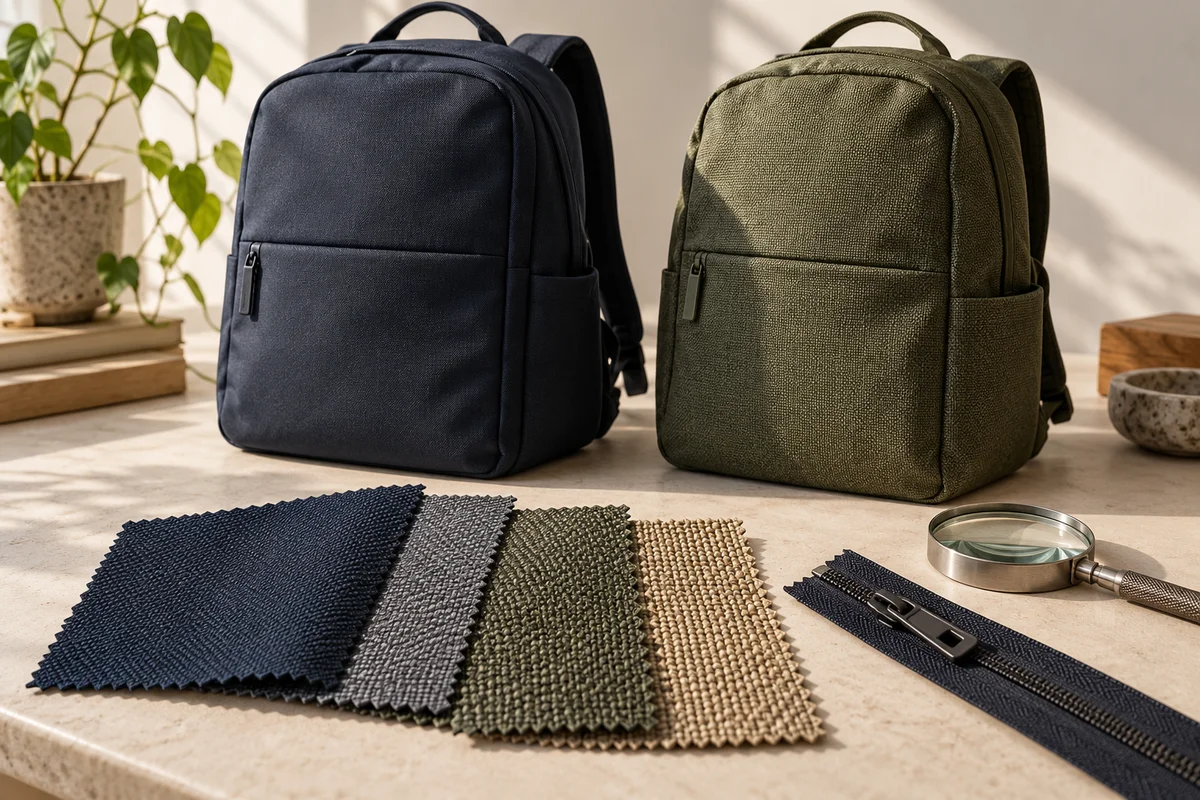
Compare backpack denier without mistaking a bigger number for a better bag. Use fabric specifications, sample checks and a clear purchase approval record.
Build an address-check policy that separates database matches, recipient confirmation and shipment corrections, with exception rules and six launch tests.
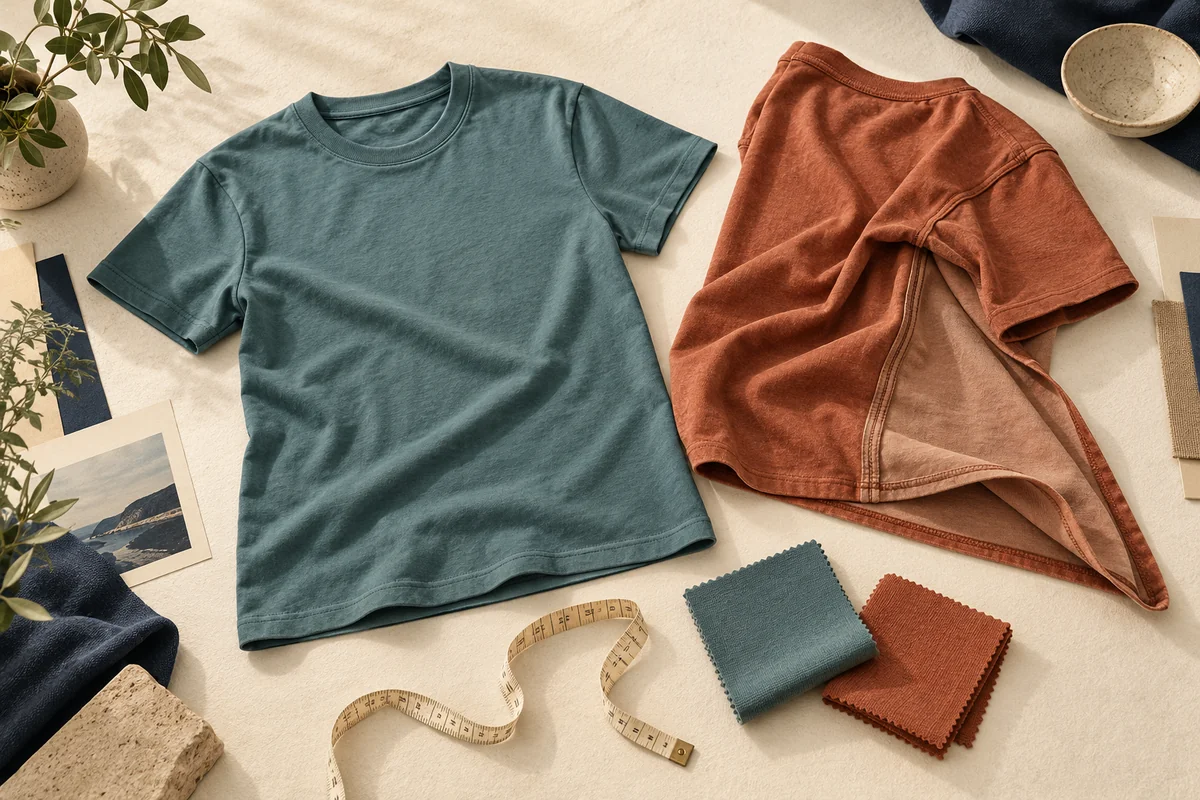
Compare T-shirt body construction, fit and logo placement, then set a clear rule for mixed-construction orders and repeat company-store purchases.
Ideas are good.
Making them happen is better.